

Why Premium Pet Supplies Cost More: A Canadian Guide
Table of Contents
- Why Premium Pet Supplies Cost More: The Real Factors Behind Pricing
- Premium Pet Food Ingredients in Canada: What You're Actually Paying For
- Benefits of Premium Pet Food: Long-Term Health and Cost Savings
- Canadian Pet Food Regulations and Compliance Costs
- Cost of Pet Ownership in Canada: Breaking Down the Premium Difference
- Manufacturing, Overhead, and the Hidden Costs You Don't See
- Marketing Markup Versus True Production Costs
- How to Evaluate Premium Pet Supplies: What Actually Justifies the Price
Last Updated: August 2, 2026
Understanding why premium pet supplies cost more goes beyond simple price tags. At Bentley's Bark, we've analyzed the full supply chain, ingredient sourcing, and regulatory landscape that shapes pricing for high-quality pet products. The reality is that premium pet supplies cost more because of genuine differences in sourcing, safety standards, formulation science, and long-term health outcomes, not just marketing hype.
Why Premium Pet Supplies Cost More: The Real Factors Behind Pricing
Supply chain and ingredient sourcing represent the largest cost drivers in premium pet food production. Unlike budget manufacturers that source commodity ingredients in bulk from the lowest-cost suppliers, premium brands invest in traceability and quality control at every stage. A premium kibble maker might source animal protein from specific suppliers who meet strict standards for freshness, handling, and testing, while budget alternatives often use rendered by-products or plant-based fillers that cost a fraction of whole animal proteins.
Quality control and safety standards drive up costs substantially. Premium manufacturers typically conduct independent testing for contaminants, conduct feeding trials with real pets, and maintain certifications that budget brands skip entirely. Regulatory compliance in Canada adds another layer of cost. Pet food must meet standards set by the Canadian Food Inspection Agency (CFIA), and premium manufacturers often exceed minimum requirements. CFIA pet food safety guidelines
Premium Pet Food Ingredients in Canada: What You're Actually Paying For
Bioavailability and nutrient density differences separate premium formulations from budget alternatives in measurable ways. Bioavailability refers to how much of a nutrient your pet's digestive system can actually absorb and use. Premium brands typically use whole animal proteins, chicken, fish, beef, that have higher bioavailability than rendered meals or plant-based proteins. Budget formulations often rely on corn meal, soy, and wheat as primary protein sources, which have lower bioavailability and leave more unabsorbed nutrients to pass through your pet's system.
Animal protein versus fillers and synthetic additives creates the most visible price gap. Budget pet foods often contain corn, wheat, and soy as primary ingredients, cheap fillers that provide calories but minimal nutritional value. Premium formulations prioritize meat-based proteins and whole food sources, using fewer synthetic additives and focusing on digestible ingredients that your pet's body can actually use.
Benefits of Premium Pet Food: Long-Term Health and Cost Savings
Preventative care and reduced veterinary expenses represent the hidden financial benefit of premium pet supplies. While the upfront cost is higher, many pet parents see measurable reductions in vet visits, medication costs, and emergency care over time. A pet eating premium food with high-quality, bioavailable ingredients often develops fewer digestive issues, skin problems, and joint concerns. A pet with chronic diarrhea from low-quality food might require multiple vet visits, special medications, and prescription diets, costs that quickly exceed the price difference between budget and premium kibble.
Digestibility and life-stage nutrition tailor premium formulations to specific needs. Premium brands offer distinct formulas for puppies, adult dogs, seniors, and specific health conditions. Higher digestibility means smaller, less frequent stools and better nutrient absorption. Premium foods typically have digestibility rates of 80-90%, while budget alternatives often fall below 75%. Life-stage formulations ensure your puppy gets the calcium and phosphorus ratios needed for proper bone development, while senior formulas include joint-supporting ingredients like glucosamine.
Canadian Pet Food Regulations and Compliance Costs
Quality assurance testing for contaminants, pathogens, and heavy metals represents another cost layer. Premium manufacturers test each batch for potential problems, while budget alternatives often test only randomly. This consistent testing catches issues before products reach shelves and ensures safety standards that exceed legal minimums.
Cost of Pet Ownership in Canada: Breaking Down the Premium Difference
Cost-per-serving analysis reveals that premium pet supplies cost more on a per-meal basis, but the calculation changes when you factor in digestibility and health outcomes. A premium kibble might cost $2.50 per pound, while budget alternatives cost $0.80 per pound. However, premium food has higher digestibility, meaning your pet needs less food to get the same nutrition. Over a month, the premium option might cost $35 while the budget option costs $24, but the premium food delivers better digestibility, fewer digestive issues, and potentially lower vet costs. When you factor in reduced veterinary expenses, the true cost-per-month often favors premium nutrition.
| Factor | Budget Food | Premium Food | Impact on Price |
|---|---|---|---|
| Primary protein source | Rendered meals, plant-based | Whole meat proteins | +$8-12/bag |
| Safety testing | Minimal, spot-check | Batch testing, feeding trials | +$3-5/bag |
| Ingredient sourcing | Commodity suppliers | Verified quality suppliers | +$4-8/bag |
| Digestibility rate | 70-75% | 85-90% | Reduces quantity needed |
| Vet visits annually | 4-6 for diet-related issues | 1-2 routine only | Saves $500-1000/year |
Manufacturing, Overhead, and the Hidden Costs You Don't See
Environmental and ethical sourcing costs add another layer. Premium brands that source from suppliers meeting environmental standards, humane animal treatment practices, or sustainable fishing methods pay more for those ingredients. Manufacturing overhead for premium brands is typically higher because they maintain stricter quality controls, conduct more testing, and often produce in smaller batches with more attention to detail. Premium brands also invest in traceability systems that allow them to track ingredients from source to finished product.
Marketing Markup Versus True Production Costs
Understanding the difference between legitimate production costs and marketing markup helps you evaluate whether a premium brand's price is justified. The most reputable premium brands maintain relatively modest markups because their costs are genuinely higher. A brand that sources whole meat proteins, conducts feeding trials, and works with veterinary nutritionists has production costs that justify higher prices.
The way to distinguish is by examining what the brand actually does. Do they publish feeding trial results? Do they work with veterinary nutritionists? Can they trace their ingredients? Do they conduct safety testing beyond legal minimums? Brands willing to discuss these practices transparently are likely justified in charging premium prices.
Bentley's Bark focuses on sourcing products that solve real problems with clean design and honest materials. This approach means prioritizing actual quality over marketing hype.
How to Evaluate Premium Pet Supplies: What Actually Justifies the Price
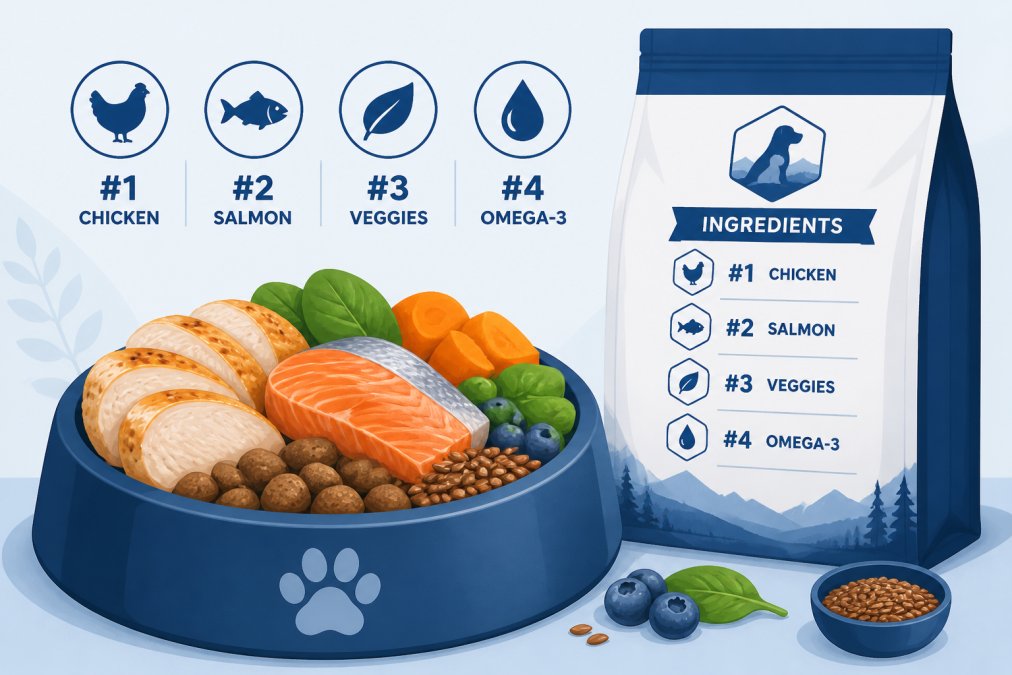
Reading formulations and ingredient sourcing claims requires understanding what to look for on labels. The ingredient list is ordered by weight, so the first three ingredients should be whole meat sources for premium food. Look for specific protein names like "chicken" or "salmon" rather than vague terms like "meat meal" or "poultry by-products." Check for named fat sources as well. Premium foods list specific fats like "chicken fat" or "fish oil" rather than generic "animal fat."
Ingredient sourcing claims should be verifiable. If a brand claims to use "Canadian-sourced chicken," you should be able to find information about their suppliers. Comparing value proposition and price-to-quality ratio involves looking at what you actually get for the premium price. Ask yourself: Does this brand conduct feeding trials? Do they work with veterinary nutritionists? Can they document their ingredient sourcing? Do they test for contaminants and safety?
Research from veterinary nutrition guidelines published by the American Animal Hospital Association emphasizes that proper nutrition significantly impacts long-term health outcomes. Pet parents should also consider their own pet's specific needs. A healthy adult dog might do well on mid-range premium food, while a senior dog with joint issues or a puppy with growth requirements might justify investment in specialized premium formulations.
Premium pet supplies cost more because quality ingredients, rigorous safety testing, and nutritional science genuinely cost more to produce. Rather than viewing premium pricing as unnecessary expense, consider it an investment in preventative health care that reduces veterinary costs over time. Bentley's Bark curates premium pet products that prioritize clean design, honest materials, and real solutions to pet parent problems. Explore our hand-picked selection of premium supplies and discover how quality nutrition and thoughtful products can enhance your pet's health and happiness, with free shipping on every order.
Frequently Asked Questions
What makes pet food 'premium' in Canada?
Premium pet food in Canada is defined by higher bioavailability and nutrient density, meaning your pet absorbs more nutrition per serving. These products use whole animal proteins rather than fillers, undergo feeding trials to verify effectiveness, and often involve veterinary nutritionists in formulation. They also comply with stricter Canadian safety standards and ingredient sourcing requirements, which increase production costs but deliver measurable health benefits over time.
Can premium pet food save money on vet bills in Canada?
Yes, premium pet food can reduce long-term veterinary costs through preventative care. Better digestibility means fewer digestive issues, higher nutrient density supports stronger immune function, and life-stage nutrition formulations address specific health needs before problems develop. While the upfront cost per serving is higher, many Canadian pet owners report fewer vet visits and lower medication expenses over their pet's lifetime, making the price difference recoverable.
How do Canadian pet food regulations affect pricing?
Canadian pet food regulations, enforced through the Safe Food for Canadians Regulations and Health Canada oversight, require rigorous testing, quality control, and documentation. Premium manufacturers invest in compliance infrastructure, third-party testing, and traceability systems that standard brands may skip. These regulatory compliance costs are passed to consumers, but they also mean premium products are safer and more transparent about ingredient sourcing and nutritional claims.
Why is the cost of pet ownership in Canada rising?
Pet ownership costs in Canada are rising due to inflationary pressures on raw materials, increased supply chain complexity, and growing demand for ethically sourced and environmentally sustainable ingredients. Manufacturing overhead has also increased as brands invest in better quality control, feeding trials, and veterinary nutritionist expertise. Additionally, premium pet parents increasingly choose products with transparent sourcing and environmental responsibility, which command higher production costs.
This article was written using GrandRanker