

How Can You Keep Dogs Calm on Long Car Rides?
Last Updated: October 24, 2026
Quick Summary
To calm dogs car rides, start with weeks of short practice drives, then secure your dog in a snug seat-belt harness on a familiar blanket in a cool, ventilated back seat. Stop every two to three hours for 15 to 20 minutes, and treat motion sickness before anxiety.
- Anxiety shows up before the engine starts, while motion sickness hits once the car is moving.
- Build up from a parked car to a ten-minute trip to somewhere fun like a park.
- Puppies and senior dogs need stops roughly every 60 to 90 minutes.
- At each stop, go potty first, water second, walk third, back in the car last.
- A sedated dog is not a calm dog, so never give human medication or unguided sedatives.
Table of Contents
- Why Long Car Rides Stress Dogs Out
- How to Get a Dog Used to Car Rides
- Setting Up a Safe Space in the Back Seat
- Choosing the Best Dog Car Harness for Long Trips
- How Often to Stop on a Long Car Ride With a Dog
- What to Pack for a Road Trip With a Dog
- Calming Aids, Medication, and When to Call Your Vet
- Gear Up at Bentley's Bark Before Your Next Drive
- Frequently Asked Questions
Why Long Car Rides Stress Dogs Out
Most dogs aren't born loving the car. A moving vehicle is a small, loud, shaking box that smells strange and offers no way out. For a dog, that's a threat, not a treat.
Two very different problems get lumped together here. One is fear. The other is motion sickness. They look similar in the rearview mirror, but they need different fixes.
Anxiety vs. Motion Sickness: Telling Them Apart
Anxiety shows up before the engine even starts. Your dog may pant, whine, pace, drool, or refuse to get in. The stress builds with anticipation.
Motion sickness tends to hit once the car is moving. Watch for drooling, lip licking, yawning, and vomiting. It often eases when the car stops.
Here's the part most guides miss: a dog can have both at once. If symptoms are severe or constant, check in with your vet, as the American Veterinary Medical Association advises for any recurring travel distress.
How to Get a Dog Used to Car Rides
Getting a dog used to car rides takes weeks, not days. Start with the car parked and off. Let your dog sniff it, climb in, and get a treat. No engine, no motion.
Next, turn the engine on for a minute. Treats and praise. Then a two-minute drive around the block.
Short Practice Drives and Desensitization
Build up slowly with short practice drives. Try this sequence:
- Sit in the parked car with the engine off (5 minutes)
- Engine on, still parked (2 minutes)
- Drive to the end of the street and back
- A five-minute loop
- A ten-minute trip to somewhere fun, like a park
Keep sessions short and end on a good note. If your dog panics, you moved too fast. Go back a step.
A common mistake is saving car rides only for vet visits. That teaches your dog the car means bad news. Take happy trips too, even short ones.
Setting Up a Safe Space in the Back Seat
A safe space gives your dog a defined spot to settle. The back seat works well for most dogs. Cover it, contain it, and make it familiar.
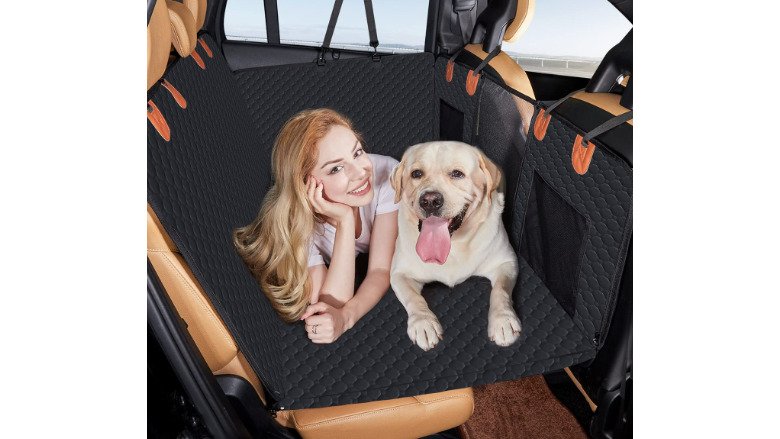
Start with a waterproof seat cover to protect your car and give your dog grip. Our Pet Travel Seat Guard - Waterproof Car Cover creates a defined, non-slip area in the back seat, which helps anxious dogs feel contained.
Keep the space cool and ventilated. Crack the windows or run the air. A hot car makes stress worse fast.
Choosing the Best Dog Car Harness for Long Trips
The best dog car harness for long trips is one that fits snugly, attaches to a seat belt, and lets your dog sit or lie down.
A loose dog is a danger to you and to itself. A harness keeps your dog secure and gives it a sense of boundaries.
Look for these features:
- Seat belt attachment with a bungee to absorb sudden stops
- Padded straps that won't rub on long drives
- A snug but not tight fit (you should fit two fingers under the strap)
Measure your dog's chest before you buy, and test the fit at home before a long trip.
How Often to Stop on a Long Car Ride With a Dog
Stop every two to three hours on a long car ride with a dog. Give 15 to 20 minutes for a bathroom break, water, and a stretch. Puppies and senior dogs need more frequent stops, roughly every 60 to 90 minutes. That's the short answer. The longer answer is a schedule you can actually follow, because the difference between a calm dog and a stressed one on a long drive is usually timing, not luck.
A Practical Day-Long Stop Schedule
Use this as a template and shift the clock times to fit your departure. The intervals matter more than the exact hours.
| Time on Road | Stop Length | What to Do |
|---|---|---|
| 0:00 | , | Depart after a light meal and a bathroom break at home |
| 2:00 | 15-20 min | Potty break, small water offer, 5-minute sniff walk |
| 4:00 | 20-30 min | Potty break, water, longer walk, light snack if scheduled |
| 6:00 | 20-30 min | Potty break, water, shade rest, check harness fit |
| 8:00 | 30 min | Meal if your vet-approved schedule allows, longer walk, full water |
| End of day | Overnight | Fresh water, full rest, settle into a familiar blanket |
Three rules make this schedule work. First, offer water at every stop but don't let your dog gulp a full bowl right before the car starts moving again; small, frequent offers are easier on the stomach. Second, feed a full meal at a rest stop with at least 30 minutes of downtime afterward, not immediately before a driving stretch. Third, always walk your dog on a leash at stops, even at quiet rest areas, because unfamiliar ground and traffic are the two biggest rest-stop risks.
Adjusting the Schedule for Puppies, Seniors, and Multi-Day Drives
Puppies and senior dogs need stops every 60 to 90 minutes, and puppies may need a potty break every 45 to 60 minutes during the first few months of travel.
Pet Travel Seat Guard - Waterproof Car Cover →
For a multi-day drive, treat each day like the first: start with a light meal, plan the same stop intervals, and end with a full rest. Overnight stops are where most multi-day trips go wrong.
Never leave your dog alone in a parked car, even with windows cracked. Heat builds fast. For accidents or rest-stop potty breaks, pee pads give you a backup layer of protection.
What to Do at Each Stop
A stop is not just a bathroom break. It's a reset. Follow the same order every time so your dog learns the pattern: potty first, water second, walk third, back in the car last. Keep the walk calm and sniff-focused rather than a high-energy game, because a dog that gets wound up at a rest stop takes longer to settle once the car is moving again.
What to Pack for a Road Trip With a Dog
Pack for the dog the way you'd pack for a toddler: food, water, comfort, and cleanup. A little planning prevents most mid-drive problems.
Your road trip checklist:
- Food and treats in sealed containers
- Collapsible water bowl and a water bottle
- Leash and a spare
A long-lasting chew keeps a dog busy and calm. A Dog Treat Training & Walking Pouch also helps you reward calm behavior quickly at rest stops.
Calming Aids, Medication, and When to Call Your Vet
Calming aids can help, but they're not a cure, and they work best when matched to the severity of the problem. A mildly nervous dog may settle with a pressure garment and a familiar blanket. A dog that panics, drools heavily, or vomits on every trip needs a different plan, often including a veterinary conversation. The mistake most owners make is reaching for a product before deciding which problem they're actually solving.
Match the Tool to the Severity
Think in three tiers.
Mild nervousness. Your dog whines or paces at the start of a trip but settles within 15 to 20 minutes and recovers well at stops.
Moderate anxiety. Your dog pants, drools, or paces for most of the trip and takes a long time to recover afterward.
Severe anxiety or panic. Your dog tries to escape the restraint, injures itself, vomits repeatedly, or shuts down completely.
Separating Anxiety From Motion Sickness and Medical Distress
These three look similar in the rearview mirror but need different responses.
- Anxiety tends to start before the car moves: panting, whining, pacing, drooling, refusal to get in. It builds with anticipation and often eases once the trip is underway or over.
- Motion sickness tends to start once the car is moving: drooling, lip licking, yawning, and vomiting. It often eases when the car stops. Puppies and young dogs are more prone to it, and many outgrow it.
- Medical distress is the pattern that doesn't fit either: repeated vomiting that continues after the car stops, heavy panting that doesn't settle in a cool space, collapse, weakness, or a dog that stops eating and drinking around travel. These signs warrant a call to your veterinarian, not another calming product.
A dog can have anxiety and motion sickness at the same time. If both are present, treat the sickness first, because a queasy dog can't relax no matter how many treats you offer. If symptoms are severe or constant, check in with your vet, as the American Veterinary Medical Association advises for any recurring travel distress.
When to Call Your Vet Before the Trip
Call your vet if your dog:
- Vomits on every trip, or vomits repeatedly even after the car stops
- Panics so badly it hurts itself or damages the restraint
- Stops eating or drinking around travel
For a deeper look at choosing calming products, this guide on how to choose calming aids walks through the options, even though it focuses on cats. The same questions apply: what's the cause, and what's the mildest tool that works? Your vet is the right call for anything beyond mild, occasional stress.
Gear Up at Bentley's Bark Before Your Next Drive
Calm dogs car rides come down to preparation: practice, a safe space, the right restraint, and planned stops.
At Bentley's Bark, we stock the travel gear that makes this easier. Start with a Pet Travel Seat Guard - Waterproof Car Cover, then build your road trip kit from there.
Get started with Bentley's Bark and give your dog a calmer, safer ride on every trip.
Frequently Asked Questions
How do I get my dog to relax during car rides?
Start with short practice drives of five to ten minutes on quiet roads, then reward calm behavior with praise or a treat. Pair each trip with something positive, like a visit to the park, so the car predicts good things. Give your dog a secure spot with familiar bedding, keep the cabin cool and ventilated, and build distance gradually over several weeks. If your dog still pants, whines, or drools heavily after consistent practice, talk to your veterinarian about calming aids or medication.
How often should I stop when traveling long distances with a dog?
Plan a rest stop every two to three hours on a long car ride with a dog. Each break should last 10 to 15 minutes so your dog can walk, sniff, drink water, and relieve itself. Puppies, senior dogs, and dogs prone to motion sickness may need breaks closer to every 90 minutes. Never leave your dog in a parked car, even with windows cracked, because interior temperatures climb quickly. Build these stops into your itinerary rather than waiting for signs of restlessness.
Can a crate or car harness help a dog feel calmer in the car?
Yes. A secure restraint gives a dog a defined spot and limits the pacing and sliding that fuel anxiety. A crash-tested car harness anchored to a seat belt works well for most dogs, while a travel crate suits dogs already comfortable in one at home. Introduce the harness or crate slowly with treats and short sessions before a long trip. Pair the restraint with familiar bedding and a favorite toy so the space feels like your dog's own.
Should I feed my dog before a long car ride?
Feed a light meal about three to four hours before departure, not a full portion right before you leave. A heavy meal close to travel increases the chance of vomiting in dogs prone to motion sickness. Bring water and offer small sips at rest stops rather than a large drink at once. If your dog has a history of travel sickness, ask your veterinarian whether to adjust feeding timing or use medication for longer drives.
